July 16, 2026 · Hammad Bin Akbar
Beyond the Law: The Persistent Crisis of Sexual Violence
While the tragic case of eight-year-old Asiya occurred in the past, her story is not a closed chapter; it remains a stark reminder of the systemic failures that continue to leave survivors vulnerable globally. By revisiting this case, we confront the persistent disconnect between legislation, social norms and institutional accountability.
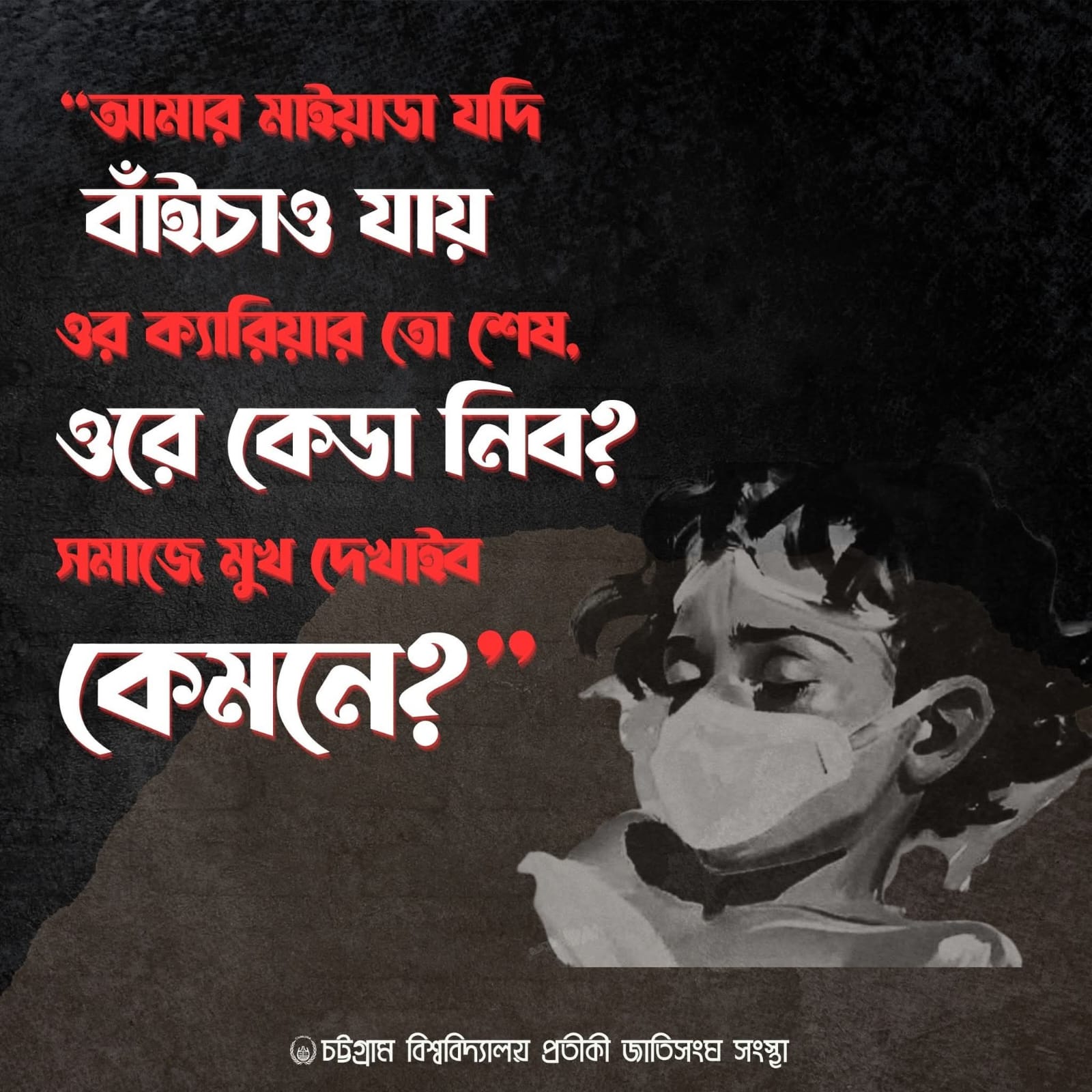
“Even if my daughter survives, her life is destroyed. Who will take her? Who will marry her? How will we show our faces in this unforgiving society?”
These heartbreaking words from Asiya’s mother lay bare the grim reality of sexual violence. Asiya’s mother’s cries echo the suffering of countless families. In a country where laws exist to protect victims, such as section 100, which permits lethal force in self defense against sexual violence, and section 375, which defines and criminalizes rape, why do these horrors persist?
An 8-year-old in Magura. A 3-year-old in Barlekha. Over 370 million girls and women worldwide subjected to rape or sexual assault as children. Their innocence is stolen. Their futures annihilated. Their families left suffocating under the weight of irreversible loss. Still some questions remain unanswered: Are existing laws of Bangladesh truly effective enough to deter these atrocities? Is the role of United Nations effective enough in combating sexual violence globally? And what does Shari’ah law prescribe for such heinous crimes?
Bangladesh’s legal framework provides multiple provisions to address sexual violence. Section 375 of the Penal Code 1860, clearly defines what constitutes rape. Section 376 prescribes the punishment for rape, which can include life imprisonment or the death penalty in aggravated cases. Additionally, Section 100 allows the use of lethal force in self-defense against an attempted rape.
Beyond the Penal Code, the Women and Children Repression Prevention Act, 2000, establishes stricter punishments and procedural guidelines for handling sexual violence cases, mandating that trials be completed within 180 days. Yet, despite these legal safeguards, justice remains a distant dream for many survivors due to systemic failures in enforcement and social barriers. Conviction rates remain alarmingly low, with cases often dismissed due to a lack of evidence or procedural delays. Victims frequently face societal stigma, harassment, and pressure to remain silent, while law enforcement agencies are often criticized for negligence or insensitivity in handling rape cases. This legal and social paralysis has ignited widespread outrage, as seen in the ongoing protests demanding justice for Asiya, an 8-year-old girl who was brutally raped. Public outrage has erupted, with protesters demanding a speedy trial and to hang the rapist. However, instead of decisive legal action, the Bangladesh Army has only issued a press release offering condolences highlighting the frustrating gap between public demands for justice and institutional responses. This reflects a broader issue where public anger demands immediate justice, but institutional responses often fall short, leaving victims and their families with little hope for real accountability.
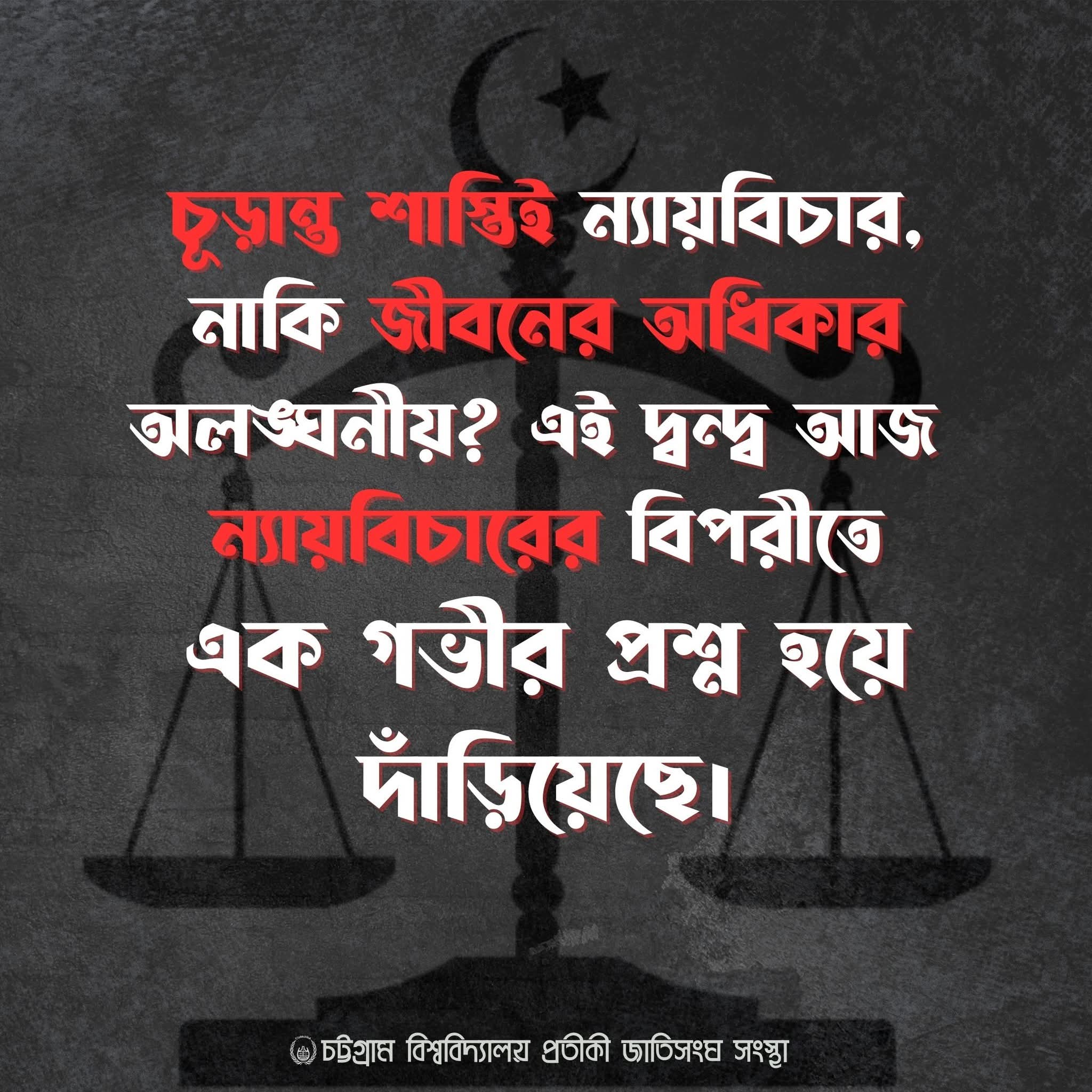
In Islamic Jurisprudence, severe punishments for rape fall under two categories: ‘Hadd’ (fixed) and ’Tazir’ (discretionary) punishments. A married perpetrator faces stoning to death, while an unmarried rapist is sentenced to 100 lashes and banishment for a year. If the crime involves armed violence, the rapist is deemed as ‘Muhaarib’ (one who wages war against society) and may face execution, crucifixion, amputation, or exile [Surah Al-Maaidah 5:33]. While Islamic law prescribes strict punishments for sexual crimes, justice is only served when these laws are applied fairly. However, in many countries that claim to follow Shari’ah, justice is distorted, leaving survivors without protection.
In countries that enforce Shari’ah-based laws, sexual violence is not just mishandled it is sometimes weaponized for political oppression. In Iran, Amnesty International documented 45 cases of rape and gang rape carried out by intelligence and security forces as acts of torture against protesters, including children as young as 12. Survivors were brutalized in detention centers, police vans, and even repurposed schools. Despite overwhelming evidence, not a single official has been prosecuted. Similarly, in Afghanistan, under Taliban rule, 115 cases of sexual violence including forced marriage, sexual slavery, and rape have been recorded. Women who protest such injustices are jailed, beaten, or even raped inside detention centers. These examples reveal a disturbing contradiction: While Shari’ah law upholds strict punishments for sexual crimes, its real-world enforcement is often manipulated to silence victims rather than punish offenders.
Even in Western countries with well-established legal frameworks, justice for survivors remains elusive. In the United States, someone is sexually assaulted every 68 seconds, yet conviction rates remain painfully low. Sentences range from a few years to life imprisonment, while the United Kingdom offers life sentences, though survivors often endure more than 10 months of delays, with nearly half of the cases dropped. Despite such strict laws, survivors worldwide face delayed justice, societal stigma and institutional failures.
Cases like Asiya’s reflect a harsh reality: laws alone cannot protect victims without swift enforcement and systemic reform. Justice must go beyond punishment to ensure protection, accountability and a world where stories like Asiya’s never repeat.
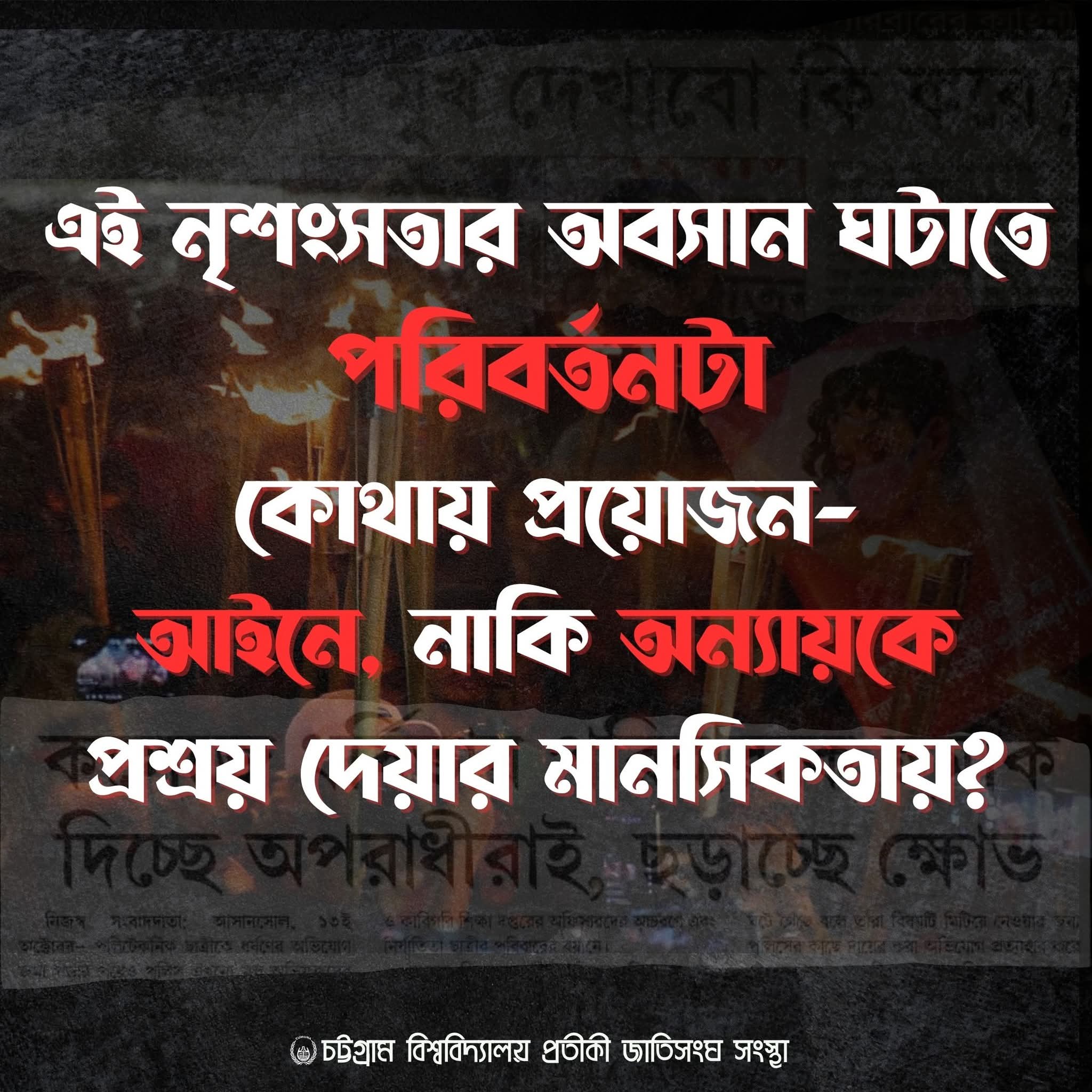
Furthermore, the United Nations has long condemned sexual violence, with treaties like CEDAW and resolutions such as the UN Action Against Sexual Violence in Conflict aiming to protect victims. Yet, their impact remains limited, especially in conflict zones, where enforcement is nearly nonexistent. A further contradiction lies in the UN Human Rights Office’s stance against the death penalty claiming it has no place in the 21st century. This directly clashes with the protesters demand regarding the Asiya incident alongside Bangladesh’s legal system and Shari’ah law as well which prescribe capital punishment for rape. How can justice be served when global institutions oppose the very punishments that victims’ families demand?
While some argue the death penalty serves as a strong deterrent, others question its effectiveness in societies where justice still remains inaccessible to most survivors. In the end it gives us a strict reminder that the 8-year Asiya didn’t pass away, she didn’t just die and she isn’t the only one who is facing such heinous crimes. So what needs to change the laws, or the very mindset that allows these horrors to continue? Justice must go beyond punishment to ensure protection, accountability, and a world where such stories never repeat.